How Soy Sauce Factories Build a Fermentation Trial Record That Procurement Can Trust
For a soy sauce brewery, enzyme selection is not only a technical decision. It becomes a purchasing decision, a quality decision, and often a tradition decision. A fermentation manager may see better nitrogen release, smoother moromi handling, or improved filtration behavior during a plant trial, but procurement still needs a record that can stand up to supplier review, cost comparison, and repeat-order approval.
That is where a disciplined fermentation trial record matters.
A good trial record does not try to make an enzyme look successful. It shows what happened, under what brewery conditions, with enough structure for operations, QA, and purchasing to trust the result. For any team evaluating an enzyme supplier for soy sauce fermentation, the goal is simple: convert plant-floor observations into a procurement-ready evidence file.
Why procurement needs more than a successful trial batch
Soy sauce fermentation is a long-process environment. Small changes in koji performance, mash viscosity, brine interaction, protein breakdown, or press behavior can influence downstream consistency. Procurement teams are cautious because the cost of a wrong approval is not limited to ingredient price.
A weak approval record can create problems later:
- A second delivery performs differently because the original trial conditions were not captured.
- Operations cannot explain why the trial batch filtered faster or slower.
- QA has sensory notes but no link to process data.
- Purchasing compares suppliers on price without seeing process impact.
- The brewery cannot defend the change internally because the record is anecdotal.
A trusted record protects the brewery from these gaps. It gives each stakeholder the same view of the trial: what was tested, how it behaved, what changed, what did not change, and whether the result is repeatable.
Start with the brewery objective, not the enzyme name
Before the trial begins, define the operational reason for testing. This keeps the record focused and prevents procurement from seeing the enzyme as just another additive line item.
Common soy sauce brewery objectives include:
- Improving amino nitrogen release without disrupting the house flavor profile.
- Supporting more consistent moromi breakdown across seasonal raw material changes.
- Reducing high-viscosity handling issues in mash transfer or pressing preparation.
- Improving extract recovery while maintaining clarity expectations.
- Shortening a specific process bottleneck without forcing a change to traditional fermentation standards.
- Stabilizing batch-to-batch variation when koji performance changes.
The objective should be written in plant language. For example: improve press feed behavior while preserving the usual aroma and salt balance. That is more useful than simply stating that a protease or multi-enzyme blend is under evaluation.
Record the baseline like it will be audited later
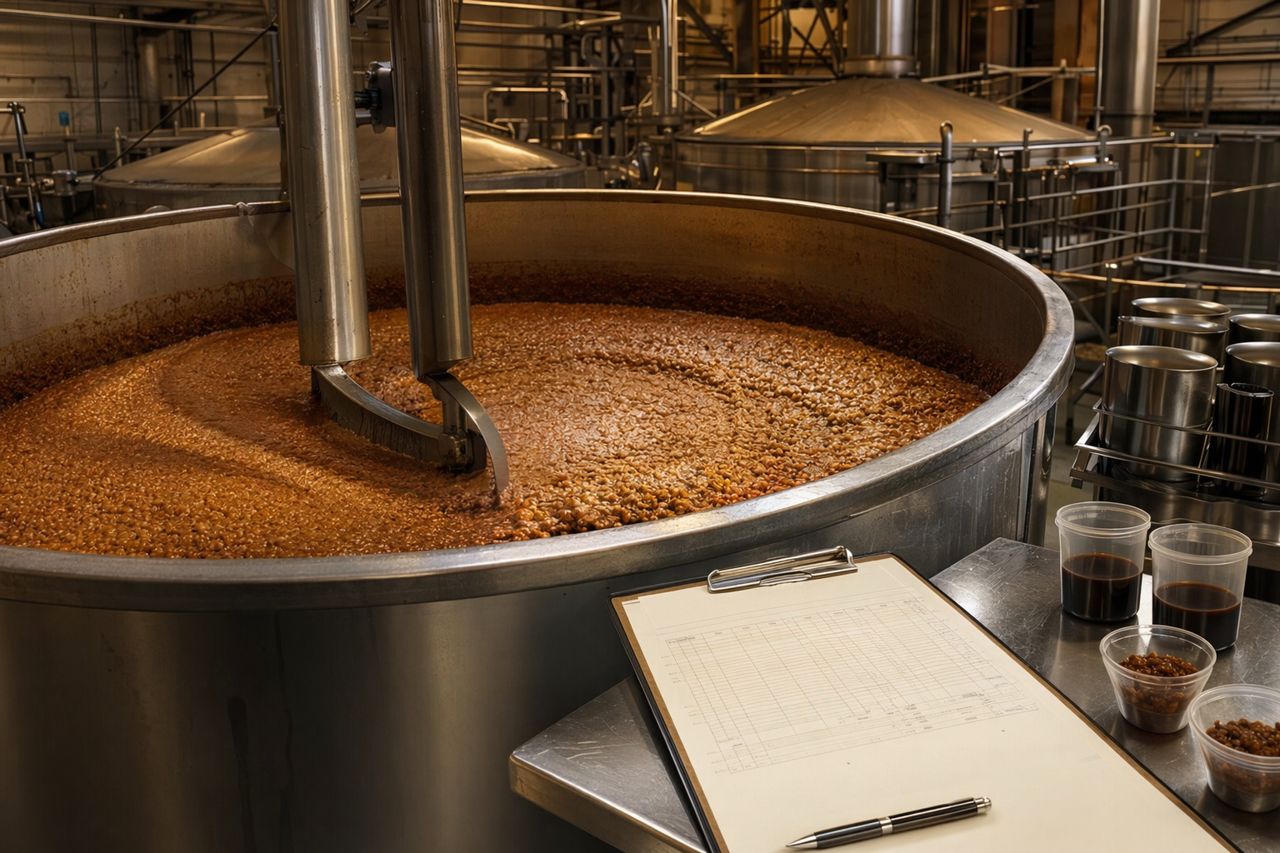
The most valuable part of an enzyme trial record is often the baseline. Without a credible control, procurement cannot separate enzyme value from normal brewery variation.
Capture the standard process conditions that define the comparison:
- Soybean and wheat lot references.
- Koji preparation notes and visible koji condition.
- Brine condition and salt target as normally managed by the brewery.
- Moromi tank or vessel identification.
- Fermentation stage at enzyme addition, if addition is made after initial mash formation.
- Mixing behavior, pumpability, and visual viscosity before dosing.
- Typical filtration or pressing behavior for comparable batches.
- Standard sensory expectations for aroma, color, salinity impression, and umami depth.
This does not need to become a laboratory textbook. It needs to be practical, consistent, and available to all reviewers.
Keep dosage discipline visible
Procurement approval becomes difficult when a trial looks improvised. If the dose was adjusted informally, added at inconsistent timing, or mixed differently between batches, the result may be technically interesting but commercially weak.
Your record should show:
- The approved trial dose plan.
- The exact process point where the enzyme was introduced.
- How the enzyme was dispersed into the mash or process stream.
- Whether the same mixing practice was used across trial and control.
- Who authorized any adjustment.
- Why an adjustment was made.
For soy sauce breweries, dosage discipline is especially important because fermentation conditions are already biologically complex. A clear dose history helps procurement understand that performance was the result of a controlled process, not a lucky batch.
Track what the plant can actually feel
A useful trial record includes data, but it should also respect plant-floor evidence. Fermentation managers and operators notice changes before they become procurement slides.
Capture observations in consistent language:
- Moromi fold and surface movement during mixing.
- Resistance during transfer or circulation.
- Separation behavior before pressing or filtration.
- Stickiness or grain breakdown during handling.
- Foam tendency, if relevant to the process stage.
- Aroma development compared with standard batches.
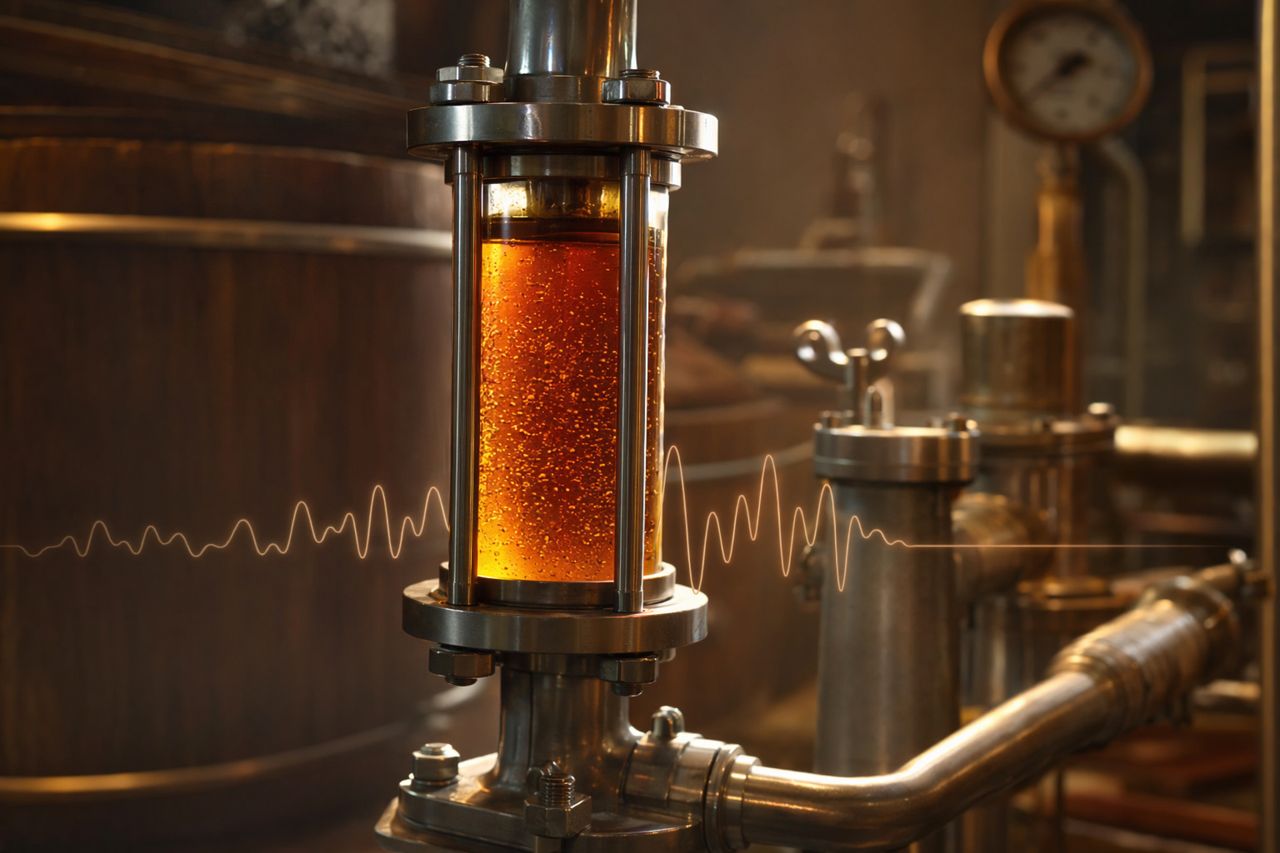
- Color movement in inspection glass or sample cups.
- Operator comments on whether the batch behaved normally.
These observations are not soft information when they are recorded consistently. They show whether the enzyme fits the brewery’s real process, not only the supplier’s technical sheet.
Connect process behavior to quality outcomes
Procurement teams need to see that improved process behavior did not compromise the soy sauce identity. The record should connect operational gains to the finished or semi-finished quality profile.
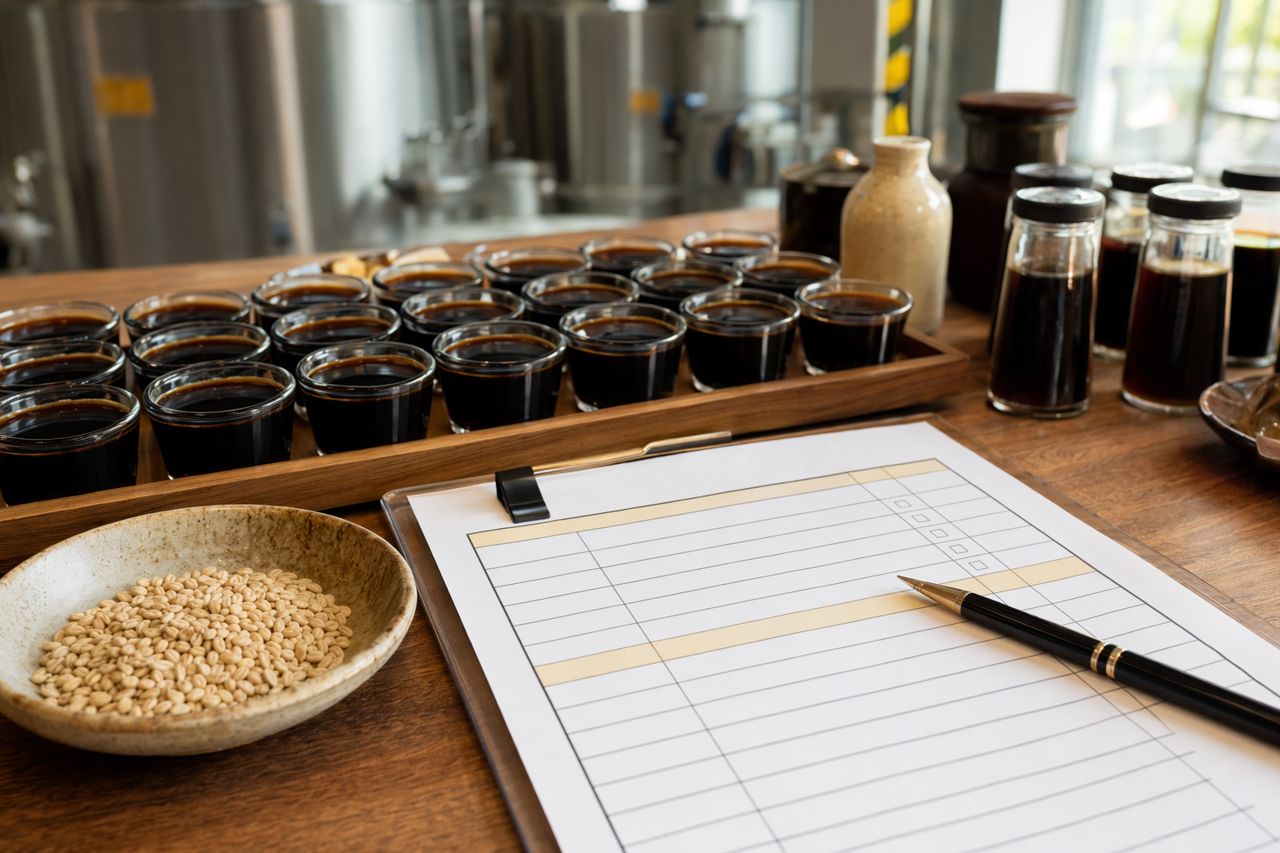
Include QA and sensory checkpoints such as:
- Umami depth compared with the house reference.
- Aroma cleanliness and fermentation character.
- Salt perception and balance.
- Color tone and brightness.
- Harshness, bitterness, or over-breakdown signs.
- Clarity after settling or filtration.
- Consistency against previous approved batches.
The point is not to chase novelty. In many breweries, the best enzyme result is controlled improvement with no unwanted change to the signature profile.
Give procurement the commercial view without oversimplifying
Once operations and QA have reviewed the trial, procurement needs a clear business summary. This should translate fermentation performance into buyer-relevant value.
A procurement-ready summary can include:
- Supplier identity and product description.
- Intended use in the brewery process.
- Trial objective and acceptance criteria.
- Side-by-side comparison against the current process.
- Handling and storage fit for the plant.
- Packaging suitability for production workflow.
- Lead-time expectations and supply continuity notes.
- Documentation status, including technical data, safety data, allergen position, and regulatory support where applicable.
- Commercial impact: yield, filtration behavior, cycle bottleneck relief, rework reduction, or consistency improvement.
This section helps the buyer see the enzyme as a controlled process input rather than a speculative cost.
Build a repeat-order file, not just an approval file
The first purchase order is not the end of the evaluation. A strong trial record becomes the reference for repeat orders and future troubleshooting.
Keep the approved file accessible to fermentation, QA, warehouse, and purchasing teams. It should define:
- Approved application area.
- Approved dose range as managed by the brewery.
- Standard addition point.
- Mixing expectations.
- Storage and handling requirements.
- In-process signs that the enzyme is behaving as expected.
- Finished-product checkpoints.
- Supplier contact path for technical support.
This prevents knowledge from being trapped with one project owner. It also helps new team members understand why the enzyme was approved and how to keep the result stable.
What Moromi Pulse helps breweries prepare
Moromi Pulse supplies enzyme solutions for soy sauce fermentation with the practical documentation that brewery teams need to evaluate, approve, and repeat the process. Our role is not to overwrite the brewery’s tradition. It is to help technical teams test with control, understand the result, and give procurement a record that supports confident buying.
For plant trials, we can help structure:
- Trial objectives and batch comparison plans.
- Enzyme selection for protein, starch, fiber, or viscosity-related goals.
- Addition-point recommendations aligned with the brewery process.
- Observation templates for moromi behavior and filtration response.
- Procurement summaries that connect process performance to commercial value.
- Technical documentation for internal supplier qualification.
Request a quote for your soy sauce fermentation trial
If your team is preparing an enzyme evaluation for moromi performance, nitrogen release, viscosity control, or filtration behavior, Moromi Pulse can help you build the trial record before the first batch begins.
Request a quote using the on-site form and share your fermentation objective, current process stage, and approval requirements. We will respond with a practical supply recommendation and trial-support plan for your brewery.